You built the sensor. Here is what happens next.
Connect your device to clinical care in minutes. 7 lines of code — or a prompt to your AI coding tool.
Every layer between the sensor and the EHR — compliant, auditable, available Day 1… not Day 570.
Building is the easy part.
You built the device — or scaffolded the app in a weekend with AI tools. The signal is captured: heart rate, HRV, EEG, EDA, SpO2, temperature, motion. The hardware works. The prototype works.
What's broken is the last mile: turning real signal into compliant, governed clinical data an EHR will accept and a clinician will trust. Each new clinical deployment becomes its own integration project — BLE ingestion, signal processing, HIPAA, FHIR mapping, EHR integration, audit trails. 12-18 months. $250K-$1M+.
And none of it is your IP — it is plumbing.
AnyBio is the compliant plumbing. Your aha ships on top.
- BLE ingestion — any wearable or medical device via one SDK
- Signal processing — 21 biosignal types with LOINC code mapping
- HIPAA + BAA + SOC 2 Type II (all 5 TSC, in progress) — compliance you don't build
- FHIR-native output — flows directly into any FHIR R4-compliant EHR
- Full audit trail — every data point, every AI decision, every access
7 lines of code.
Everything between the sensor and the clinician.
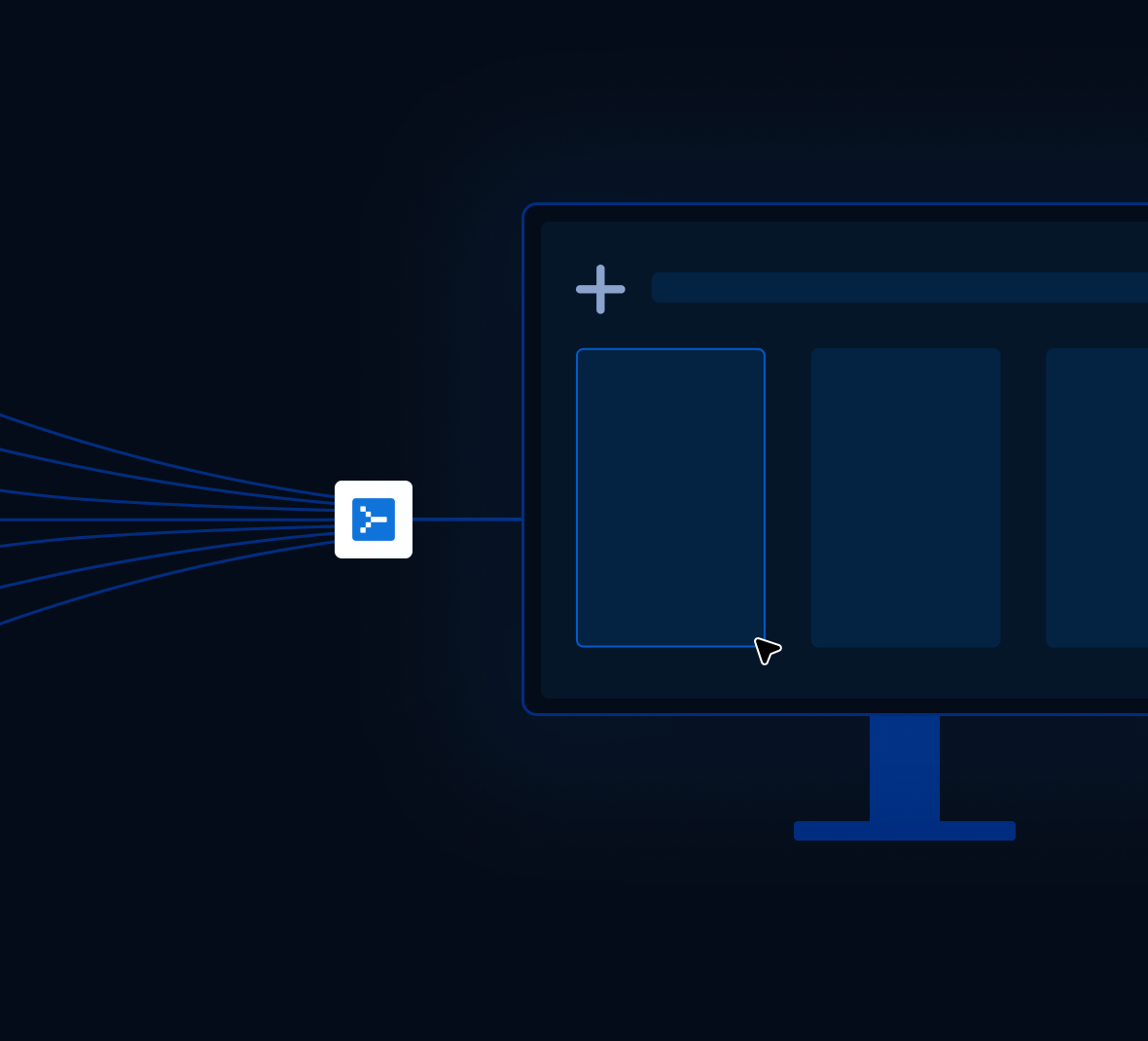
You write the left side. We produce the right side. We bring the plumbing — your aha ships on top.
The Input
The Output
The Input
import BioSDK
let sdk = try await BioSDKClient.initialize(
    configuration: .auto(
        organizationKey: "org_xxx",
        projectKey: "proj_yyy"))
sdk.startScan()
sdk.connect(sdk.discoveredDevices.first!)
sdk.startStreaming(for: "patient-123")
The Output
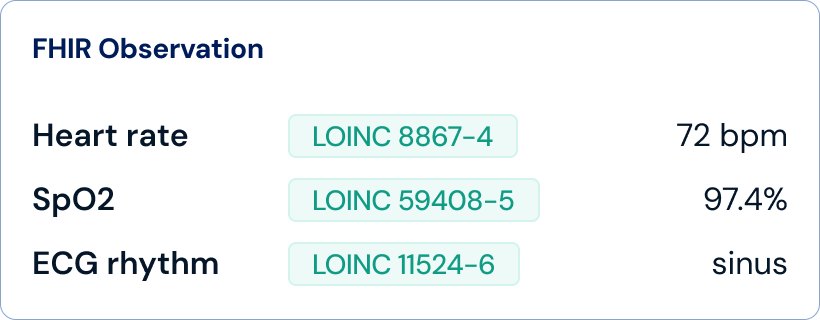
FHIR Observation — LOINC-coded, EHR-ready
Three ways to start. Same pipeline underneath.
I have a BLE device
Connect your hardware. 7 lines of code. BioSDK handles scan, connect, and stream — your bytes become FHIR automatically. Works with any BLE sensor via GATT Agent.
Start with GATT AgentI use existing wearables
Connect Oura, WHOOP, Fitbit, Dexcom, Apple Health, Withings, Polar. OAuth in a few clicks — no device build required. Your users' data flows into a governed pipeline.
Connect a DeviceI'm building with AI
Describe what you want to detect in plain language. Our Program Builder Agent builds and validates the program through conversation — then scaffolds a BioSDK-integrated app.
Try Program BuilderDescribe → Design → Deploy
- 1. Describe your program
what you want to monitor, detect, and act on
- 2. Design it with our AI
the Program Builder Agent builds and validates your program through conversation
- 3. Deploy instantly
click "Build App" and a complete, BioSDK-integrated web app is scaffolded and ready to deploy
From idea to working health app in one session. Sign up for early access.

The outputs. Available Day 1.
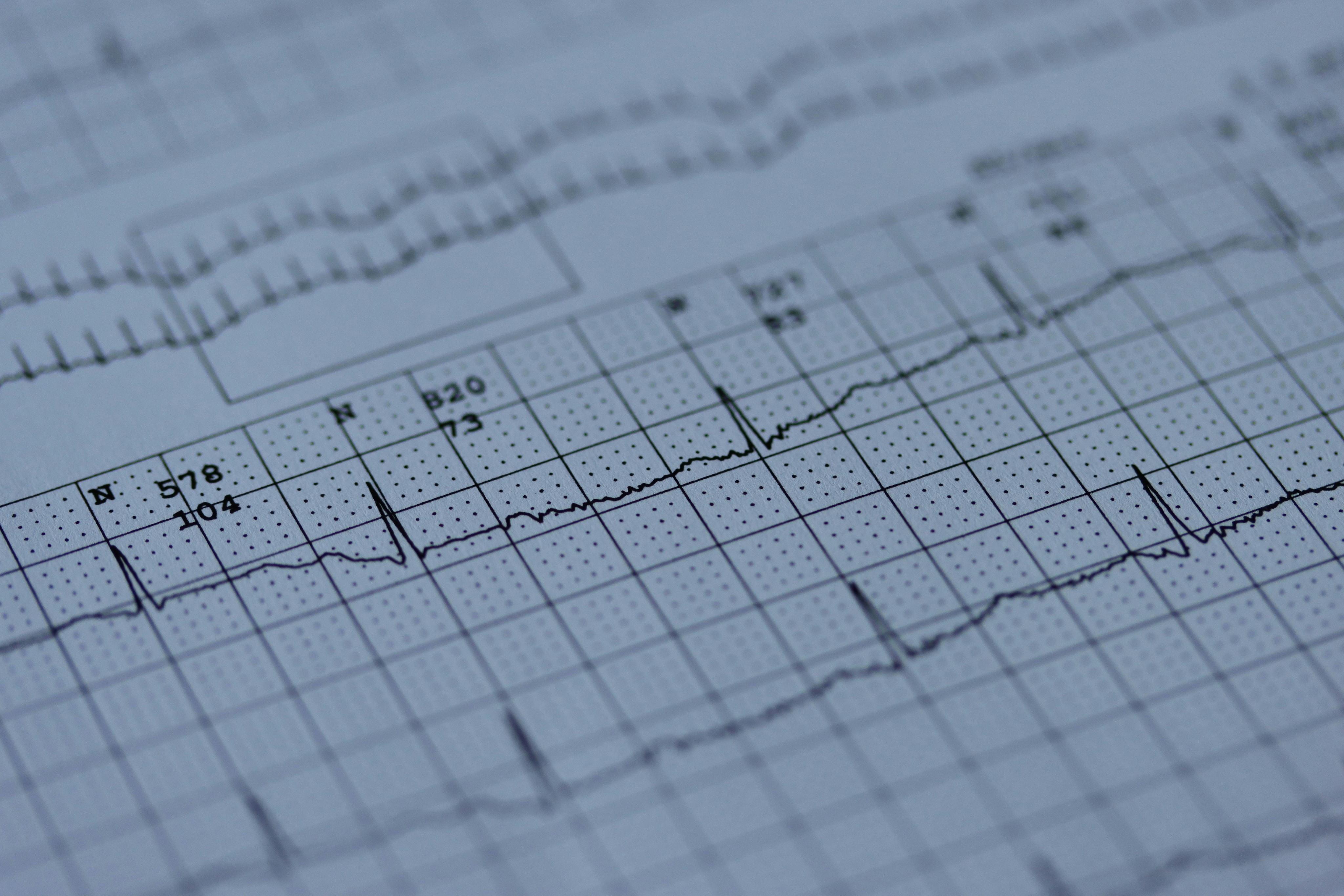
FHIR Observations
Standards-compliant, LOINC-coded. Flows directly into any FHIR R4-compliant EHR.
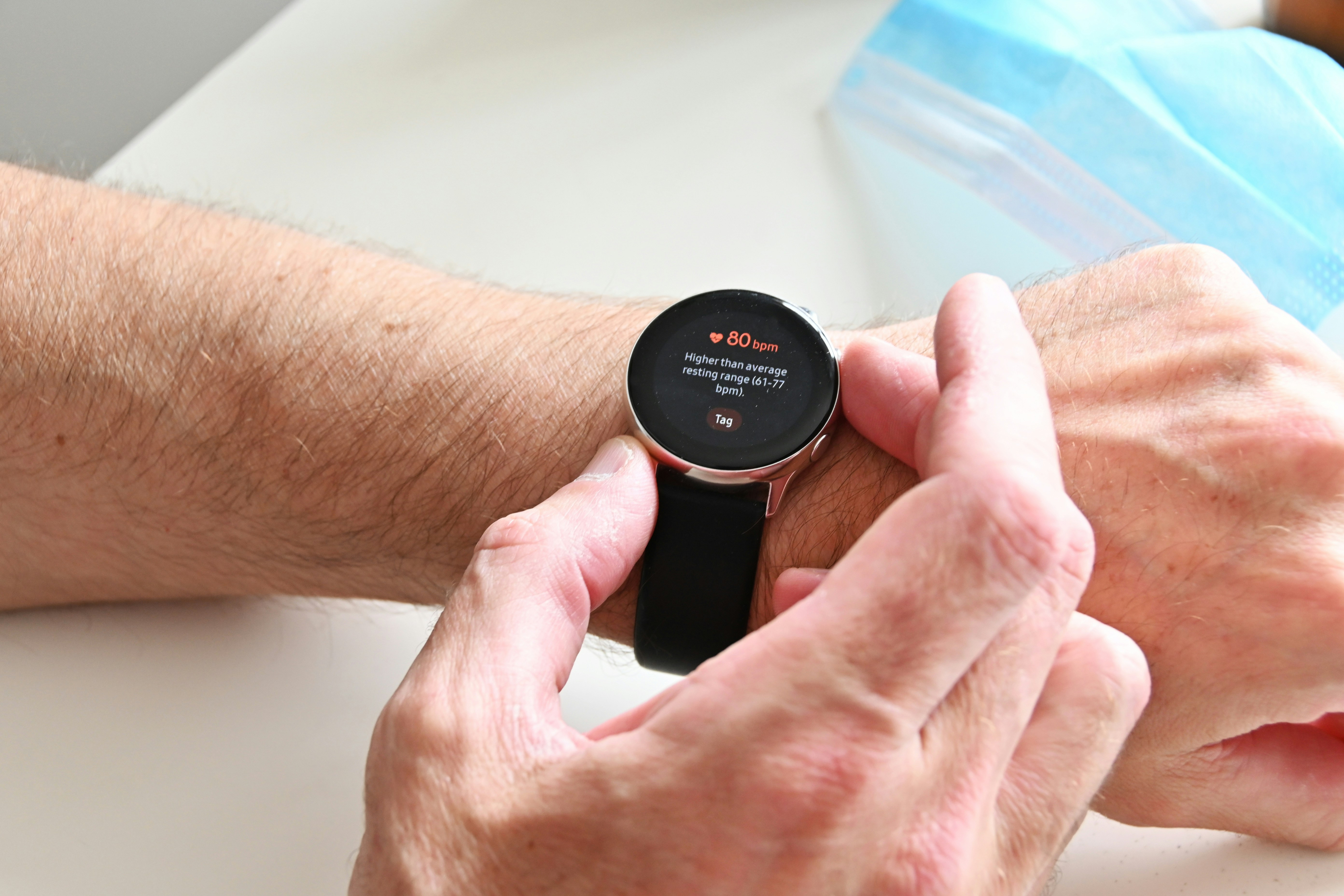
Clinical Artifacts
Clinical tracing PDFs generated on detection events — 10s pre-event, 20s post-event context built in. Secure delivery, scaled storage. No infra to manage.
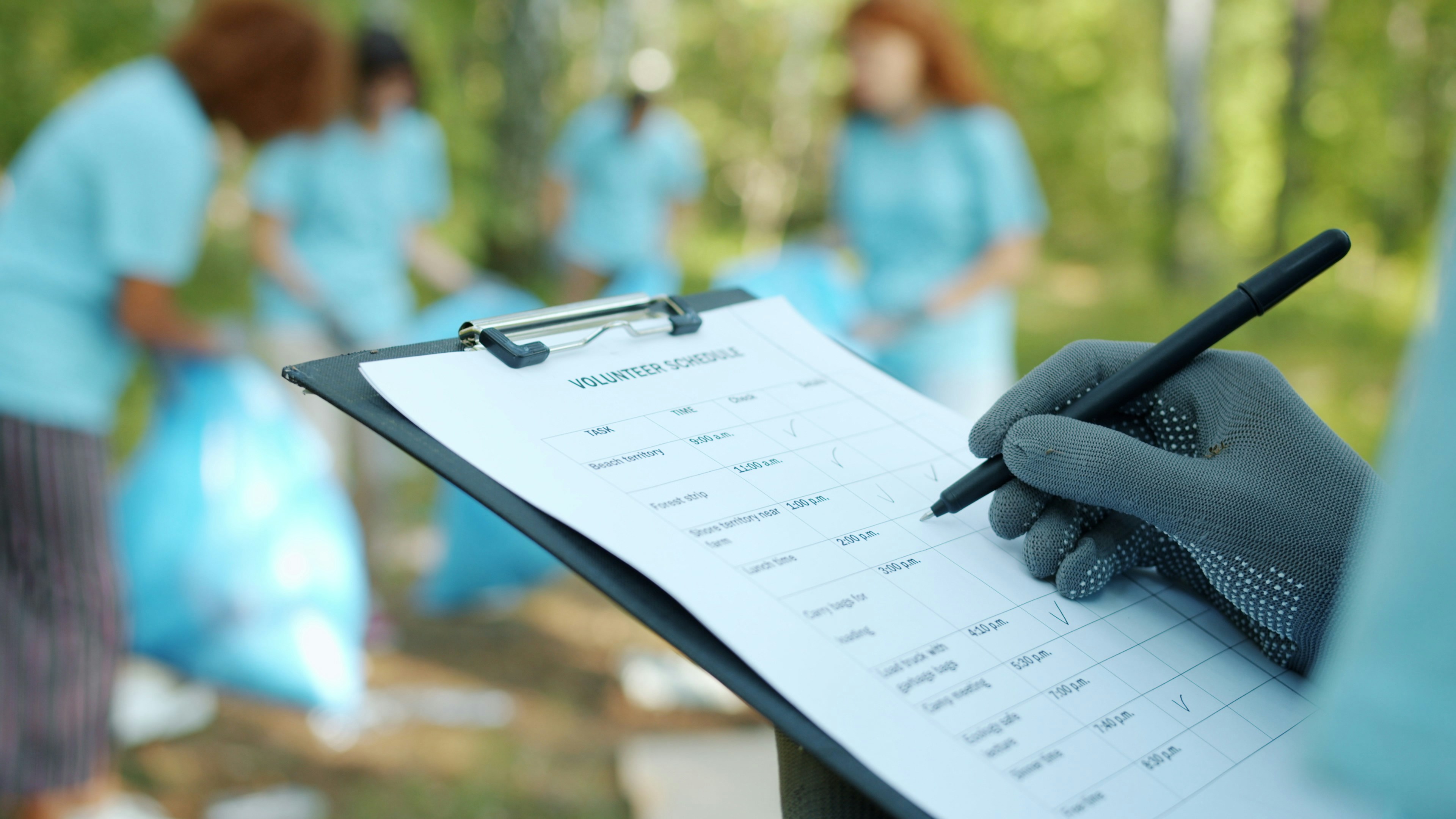
Episodes with Attention Scoring
Continuous data organized into clinical episodes. Attention score 0-100, computed from multi-signal correlation.
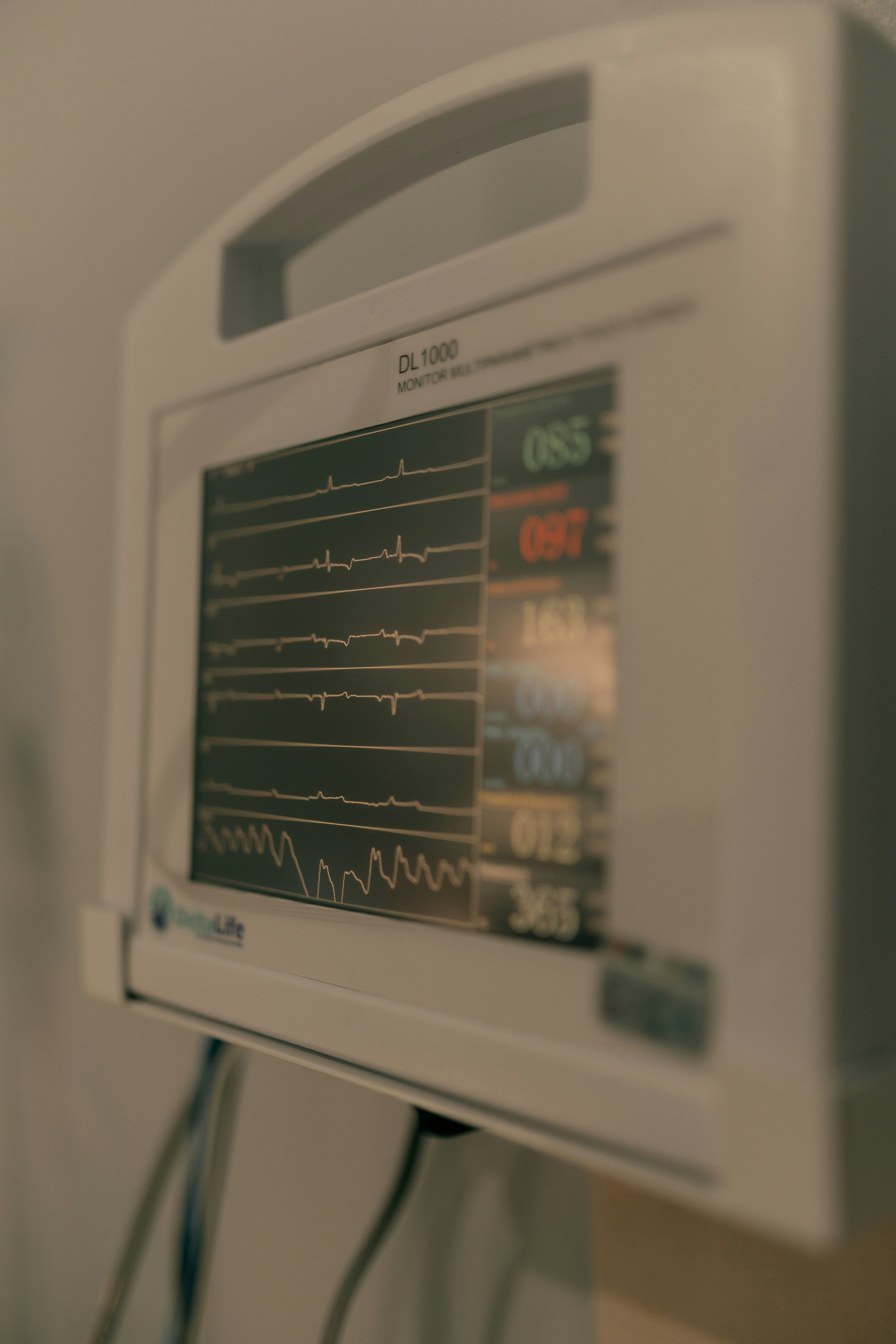
AI Clinical Summaries
Governed AI summarizes episodes, triages alerts, flags patterns. Compliance gates, PHI-safe models, full audit trail.
AI builds your app.
We are what your app runs on.
Our docs are structured for AI coding agents — prompt templates, OpenAPI spec designed for machine consumption, and CDN-based web components that work with zero build step. Your agent writes the integration. Our infrastructure handles everything underneath.
Cursor
Prompt templates and an OpenAPI spec tuned for Cursor's agent. Integrate AnyBio end-to-end in a single session.
Claude Code
CLAUDE.md-friendly docs with machine-readable integration guides. Claude Code writes the wiring; we deliver the output.
Lovable / Bolt / v0 / Replit
BioUI Web — drop-in custom elements served from a CDN. 10 lines of HTML and your AI-scaffolded app has live biosignal widgets.
ReflectRaw data to real predictions in 24 hours.
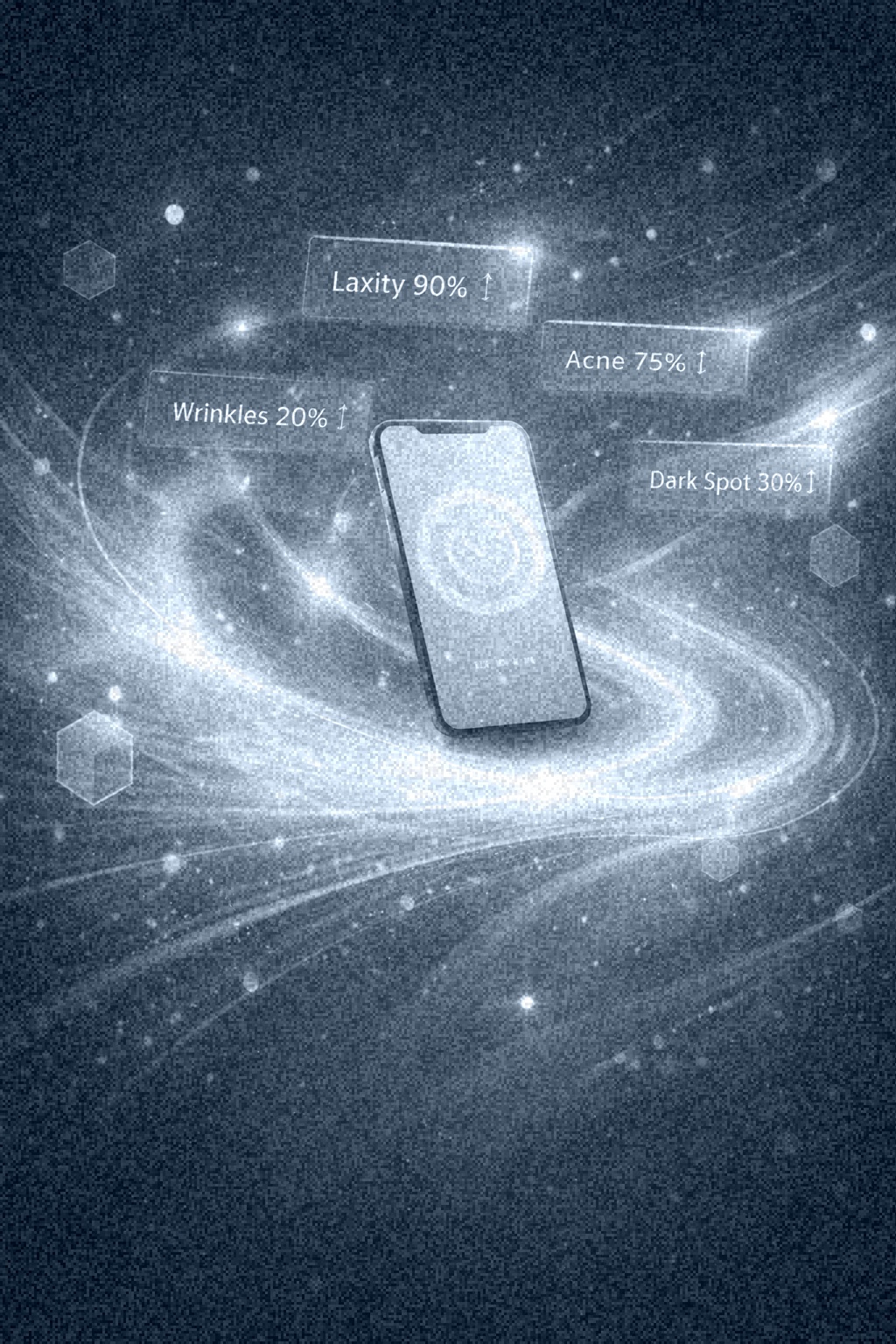
Reflect is building the future of skin intelligence — predicting and preventing breakouts by understanding how skin changes over time. Skin data is complex, deeply personal, and requires privacy-first handling from the start. Using AnyBio, Reflect uploaded their proprietary ML models, ran them on AnyBio-structured image data, and integrated the SDK — in 24 hours. Clinical-grade breakout prediction accuracy. 10x faster pipeline integration.
Built a device? We are the software layer it needs.
Enterprise healthcare buyers do not evaluate your sensor alone. They evaluate whether the full solution works in their environment — governance, interoperability, workflow integration, and deployment readiness. AnyBio gives device companies that software layer without building it from scratch.
Integrate once.Available everywhere.
Patent-pending dynamic provisioning automatically connects and configures your device for any program on the platform. No app store updates. No manual reconfiguration per deployment.
SDK provisioned
Full SDK access provisioned in under an hour. You're working with real biosignal data the same session.
Platform auto-configures
Device capabilities are matched to program requirements — no manual wiring per deployment.
Available across every program
Device is instantly available to all AnyBio programs — research, clinical, consumer-to-clinical.
New use cases — no rebuild
Add new programs or customers without touching device firmware or updating the app.
From great hardware to enterprise-ready offering.
Accelerate enterprise readiness
Interoperability built in
Expand without rebuilding
Skip the plumbing. Build your aha.
Start free. Your first biosignal streams in 5 minutes.